 By
By Roofing is one of the most important aspects of a property, influencing safety, comfort, and overall value. A well-designed and properly installed roof protects against weather, insulates the home, and adds architectural character. For homeowners, understanding roofing materials, installation practices, maintenance requirements, and potential issues is crucial for making informed decisions. In this detailed guide, we’ll explore everything you need to know about roofing to help you choose wisely, maintain effectively, and extend the lifespan of your roof.
The Importance of Roofing in Home Design
The roof does far more than just cover a building. It provides structural stability, shields interiors from rain and sunlight, and contributes to energy efficiency. In addition, roofing choices influence kerb appeal, with styles and finishes creating a distinct visual identity for any property.
Key benefits of a well-designed roof include:
-
Weather Protection: A barrier against wind, rain, snow, and UV rays.
-
Energy Efficiency: Reflective materials and insulation reduce heating and cooling costs.
-
Durability: High-quality roofing materials can last decades with proper care.
-
Property Value: A new or well-maintained roof increases resale value.
Common Roofing Materials and Their Features
Asphalt Shingles
Among the most widely used materials, asphalt shingles are affordable, versatile, and available in multiple styles. They provide good protection but may have a shorter lifespan compared to other premium options.
Advantages:
-
Easy installation
-
Cost-effective
-
Wide range of colours and patterns
Limitations:
-
Lifespan typically 15–30 years
-
Can be prone to algae or moss in damp climates
Slate Roofing
Slate is one of the most durable roofing materials available. Its natural stone finish offers elegance, and when maintained properly, it can last over a century.
Advantages:
-
Exceptional longevity
-
Fire and weather resistant
-
High-end appearance
Limitations:
-
Expensive material and installation
-
Heavy weight requires reinforced roof structure
Metal Roofing
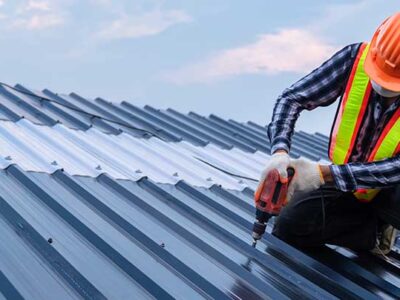
Metal roofs are gaining popularity due to their modern appearance and energy efficiency. They reflect heat in summer and insulate well during winter.
Advantages:
-
Lifespan of 40–70 years
-
Lightweight yet durable
-
Eco-friendly and recyclable
Limitations:
-
Higher upfront costs
-
Can be noisy during heavy rain unless insulated
Clay and Concrete Tiles
These roofing materials are particularly common in warmer climates. Their distinctive appearance adds charm to traditional and Mediterranean-style homes.
Advantages:
-
Long-lasting and resilient
-
Excellent insulation properties
-
Resistant to rot and insects
Limitations:
-
Very heavy, requiring reinforced support
-
Fragile under impact
Wooden Shakes and Shingles
Wood roofing offers a natural aesthetic, often used in cottages and traditional designs. Cedar is the most popular choice.
Advantages:
-
Natural beauty and warmth
-
Good insulation properties
Limitations:
-
Requires frequent maintenance
-
Susceptible to fire and insects without treatment
Factors to Consider Before Choosing Roofing
When selecting roofing materials, homeowners should weigh several factors:
-
Climate: A roof in a rainy region requires different properties than one in a hot, dry environment.
-
Budget: Initial investment vs long-term cost of maintenance and replacements.
-
Weight: Some materials may be too heavy for existing structures.
-
Aesthetics: The roof should complement the home’s architecture.
-
Longevity: Some materials may need replacing sooner than others.
-
Energy Efficiency: Reflective materials and insulation help reduce bills.
Roofing Installation: What Homeowners Should Know
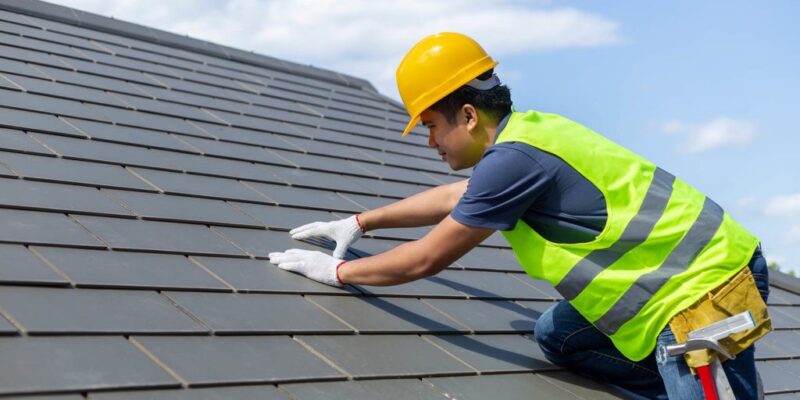
Proper installation is as important as the choice of material. A poorly installed roof, even with premium materials, will not last as long as expected.
Key stages in installation include:
-
Inspection: Checking the roof deck for any structural issues.
-
Underlayment: Adding a protective layer beneath the main roofing.
-
Flashing: Installing metal sheets around chimneys, skylights, and vents to prevent leaks.
-
Ventilation: Ensuring airflow prevents moisture build-up and prolongs roof life.
-
Final Installation: Securing shingles, tiles, or panels to provide a watertight finish.
Roof Maintenance for Longevity
Routine care extends the lifespan of your roof significantly. Preventive maintenance helps avoid costly repairs in the future.
Regular Inspections
Schedule inspections twice a year, especially after storms. Look for missing shingles, sagging areas, or water stains inside the home.
Cleaning
Remove debris like leaves and branches. Clean gutters to prevent water pooling, which can lead to leaks.
Moss and Algae Control
Treat roofs in damp regions to prevent moss growth, which traps moisture and weakens materials.
Minor Repairs
Address small issues promptly, such as cracked shingles or damaged flashing, before they worsen.
Signs Your Roof May Need Replacement
Even with good care, every roof eventually reaches the end of its lifespan. Watch out for:
-
Persistent leaks despite repairs
-
Shingles that curl, crack, or go missing
-
Excessive granules in gutters
-
Sagging roof deck
-
Visible daylight through the attic
If multiple signs appear, replacement may be more cost-effective than ongoing repairs.
Energy Efficiency and Sustainable Roofing
Today, sustainability is a key factor in roofing decisions. Many homeowners opt for energy-efficient options that lower bills and reduce environmental impact.
Options include:
-
Cool Roofs: Reflective coatings that reduce heat absorption.
-
Solar Panels: Integrated or mounted panels provide renewable energy.
-
Recycled Materials: Some modern shingles use recycled rubber, plastic, or metal.
Roofing and Home Value
A well-maintained roof not only protects your home but also adds value. Buyers are more likely to invest in properties with durable, recently installed roofs. In some cases, homeowners recover a significant portion of installation costs during resale.
Frequently Asked Questions
How often should I replace my roof?
The timeline depends on the material. Asphalt shingles last 15–30 years, metal 40–70 years, and slate or clay tiles can last over a century if maintained properly.
Can I install a new roof over the old one?
While possible with certain materials, this is not always recommended as it adds weight and may hide underlying damage.
How do I know if my roof has ventilation issues?
Signs include high energy bills, mould growth in the attic, or extreme temperature differences inside the home.
Is it worth investing in solar-ready roofing?
Yes. Homes with solar-compatible roofing are more energy-efficient and can increase long-term property value.
What is the best season for roofing installation?
Spring and autumn are ideal due to moderate temperatures. Extreme heat or cold can affect materials and installation quality.
Should I choose roofing based solely on aesthetics?
No. While appearance is important, durability, energy efficiency, and suitability for local weather conditions should guide your choice.