 By
By Roofing is one of the most important aspects of a property. It not only protects your home from weather but also adds value, style, and long-term resilience. Choosing the right roofing materials, ensuring proper installation, and maintaining the roof are all essential steps in preserving your investment. Whether you are renovating, building new, or considering repairs, understanding the basics of roofing can save you money, time, and stress.
Understanding the Importance of Roofing
A roof is much more than a covering. It provides insulation, safeguards against leaks, and improves the structural integrity of your home. The choice of roofing materials impacts:
-
Durability: A strong roof withstands storms, rain, and extreme temperatures.
-
Energy efficiency: Well-insulated roofs lower heating and cooling costs.
-
Curb appeal: Roof design enhances the architectural character of your property.
-
Property value: A modern, well-maintained roof increases resale value.
For many homeowners, investing in a quality roof means securing long-term peace of mind.
Common Roofing Materials
Asphalt Shingles
Asphalt shingles are one of the most widely used roofing options. They are affordable, versatile, and available in a range of colours and designs. Their layered structure provides decent weather resistance, though their lifespan is generally shorter than premium options.
Slate Roofing
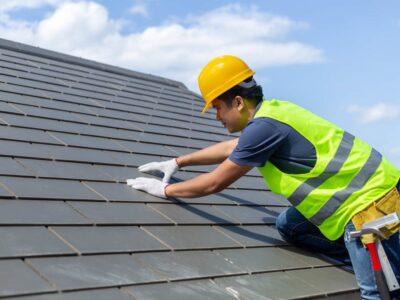
Slate offers elegance and incredible durability. With proper maintenance, a slate roof can last over a century. It is fire-resistant, weatherproof, and eco-friendly, though it is also one of the heaviest and most expensive options.
Clay and Concrete Tiles
Clay and concrete tiles are popular in warmer climates. They provide excellent insulation, resist heat, and last several decades. They are heavier than other materials, requiring strong structural support.
Metal Roofing
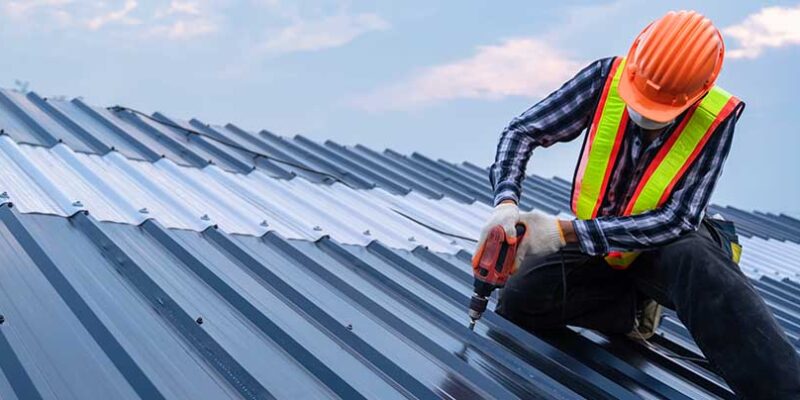
Metal roofs are becoming more popular for modern homes. They are lightweight, long-lasting, and recyclable. With proper coatings, they resist rust and provide excellent energy efficiency by reflecting sunlight.
Wooden Shingles and Shakes
Wooden roofing provides a natural, traditional appearance. It requires regular treatment against pests and moisture but delivers charm and a distinctive aesthetic appeal.
Roofing Installation Considerations
When planning a new roof, you need to assess multiple factors beyond material choice.
-
Roof pitch and slope: Certain materials work better with specific gradients.
-
Climate conditions: Choose materials that withstand your region’s weather patterns.
-
Ventilation and insulation: Adequate airflow prevents dampness and heat build-up.
-
Weight support: Heavy materials like slate and tile demand reinforced structures.
-
Budget: Balancing initial cost with long-term maintenance is key.
Hiring professional installers is vital. Poor workmanship often leads to leaks, uneven finishes, or reduced lifespan.
Roofing Maintenance Tips
Even the strongest roof requires care. Proper maintenance prevents costly damage and extends its lifespan.
-
Inspect the roof twice a year, especially after harsh weather.
-
Clear debris such as leaves, branches, and moss to prevent water build-up.
-
Check gutters and downpipes to ensure proper drainage.
-
Look for cracked or missing tiles, loose shingles, or rusted flashing.
-
Trim nearby tree branches to reduce the risk of falling damage.
Routine inspections can help you identify problems early, before they escalate into major repairs.
Signs Your Roof Needs Repair or Replacement
Recognising when your roof requires attention is crucial. Look out for:
-
Water stains on ceilings or walls
-
Daylight seeping through loft or attic spaces
-
Sagging or uneven roofline
-
Increased energy bills due to poor insulation
-
Missing, broken, or curling shingles
If your roof is over 20 years old, it may be approaching the end of its life, depending on material type.
The Cost of Roofing
Roofing costs vary depending on size, material, and labour. Homeowners must consider both upfront installation and long-term maintenance expenses. Premium materials such as slate and metal have higher initial costs but save money in the long run due to longevity. More affordable options like asphalt require more frequent replacement.
Energy Efficiency and Sustainable Roofing
Modern homeowners are paying more attention to eco-friendly solutions. Sustainable roofing includes:
-
Cool roofs with reflective coatings to reduce heat absorption
-
Solar panels integrated into the roofing system for renewable energy
-
Green roofs with vegetation layers to promote insulation and biodiversity
-
Recyclable materials like metal and clay tiles
These options not only reduce carbon footprint but can also save money on energy bills.
Choosing the Right Roofing Contractor
Selecting the right professional makes all the difference. Look for contractors who:
-
Hold proper licensing and insurance
-
Provide detailed written estimates
-
Offer warranties on both materials and workmanship
-
Have positive customer feedback and references
-
Demonstrate expertise with your chosen roofing material
A reliable contractor ensures your roofing project runs smoothly and delivers lasting results.
Roofing Trends for Modern Homes
Roofing is not just functional, it is also part of home design. Current trends include:
-
Darker shades like charcoal and black for a sleek look
-
Architectural shingles that mimic natural stone or wood
-
Metal roofs with textured finishes
-
Integration of skylights and solar panels
-
Sustainable, energy-efficient roofing options
These trends combine style with practicality, appealing to modern homeowners.
FAQ Section
How often should I replace my roof?
The lifespan depends on the material. Asphalt lasts 15–25 years, metal can last 40–70 years, while slate may exceed 100 years. Regular inspections determine whether repair or replacement is needed.
What is the best roofing option for rainy climates?
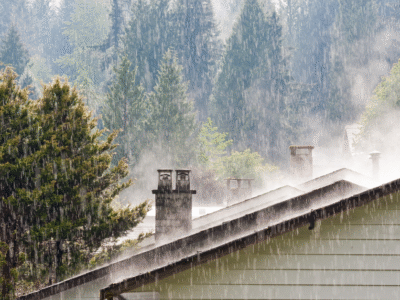
Metal and slate perform exceptionally well in wet conditions as they shed water efficiently and resist mould growth.
Can I install solar panels on any roof?
Most roofing types support solar panels, but structural strength and roof angle play an important role. Professional assessment ensures safety and efficiency.
Do darker roofs make homes hotter?
Yes, darker roofs absorb more heat, which can increase cooling costs. However, good insulation and ventilation minimise the impact.
Is roof maintenance necessary if my roof looks fine?
Yes, unseen issues like small leaks, trapped moisture, or loose fittings can worsen over time. Preventive maintenance avoids expensive repairs.
How can I reduce the cost of roofing?
Consider long-lasting materials, get multiple quotes, and schedule installation during off-peak seasons. Investing in quality now prevents frequent repairs later.