 By
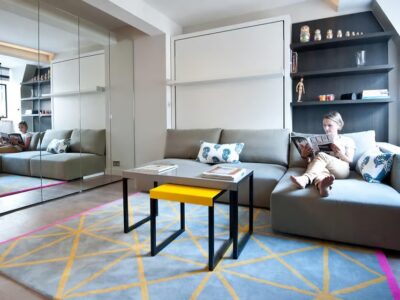
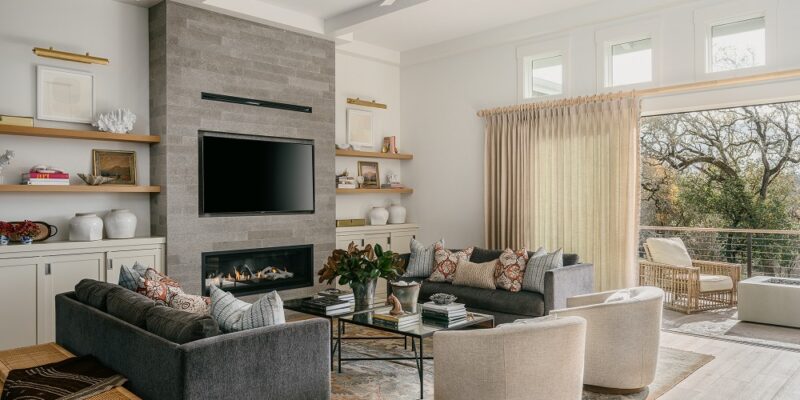
By Minimalist furniture is more than a design trend—it’s a lifestyle choice that promotes clarity, balance, and intentional living. By focusing on essentials and removing excess, minimalist furniture helps create spaces that feel calm, functional, and visually open. This article explores the most popular minimalist furniture styles and how they support clutter-free living without sacrificing comfort or personality.
What Defines Minimalist Furniture?
Minimalist furniture is rooted in simplicity and purpose. Every piece has a reason to exist, both functionally and visually.
Key characteristics include:
-
Clean lines and geometric forms
-
Neutral or muted color palettes
-
Uncluttered silhouettes
-
High-quality, durable materials
-
Furniture that often serves more than one purpose
Rather than feeling empty or cold, well-designed minimalist furniture creates a sense of calm and refinement.
Scandinavian Minimalism
Scandinavian design is one of the most approachable minimalist furniture styles. It balances simplicity with warmth, making it ideal for everyday living.
Core Features
-
Light-toned woods like birch or oak
-
Soft whites, creams, and pale grays
-
Furniture with rounded edges and subtle curves
-
Emphasis on natural light and open layouts
This style works especially well in smaller homes, where light and space are essential for a clutter-free feel.
Japanese-Inspired Minimalism
Japanese minimalist furniture focuses on harmony, restraint, and respect for space.
Defining Elements
-
Low-profile furniture such as floor seating and platform beds
-
Natural materials like bamboo, wood, and linen
-
Neutral earth tones
-
Minimal decoration with strong attention to proportion
This style encourages mindful living by reducing visual noise and allowing the room to breathe.
Modern Minimalist Furniture
Modern minimalism leans toward sleekness and precision. It often features bold simplicity paired with advanced materials.
Style Highlights
-
Sharp, clean edges and straight lines
-
Materials like metal, glass, and polished wood
-
Monochromatic color schemes with occasional contrast
-
Hidden storage to maintain visual order
This style is ideal for urban apartments or contemporary homes seeking a streamlined, clutter-free aesthetic.
Multifunctional Minimalist Furniture
One of the smartest approaches to clutter-free living is choosing furniture that does more with less.
Popular Multifunctional Pieces
-
Sofa beds with built-in storage
-
Extendable dining tables
-
Beds with drawers or lift-up frames
-
Wall-mounted desks and shelving
These designs reduce the need for extra furniture while keeping everyday essentials neatly hidden.
Choosing the Right Materials
Minimalist furniture relies heavily on material quality since decoration is minimal.
Commonly used materials include:
-
Solid wood for warmth and longevity
-
Metal for structure and modern appeal
-
Glass for visual lightness
-
Fabric upholstery in neutral tones
Investing in fewer, better-made pieces helps maintain both function and style over time.
How Minimalist Furniture Reduces Clutter
Minimalist furniture naturally discourages accumulation. With fewer surfaces and smarter storage, it becomes easier to stay organized.
Benefits include:
-
Easier cleaning and maintenance
-
Improved mental focus and calm
-
Better use of available space
-
A home that feels intentional rather than crowded
By choosing furniture with purpose, clutter has fewer places to hide—and fewer reasons to exist.
Styling Tips for a Minimalist Home
Minimalism doesn’t mean sterile or boring. Thoughtful styling keeps the space inviting.
Helpful tips:
-
Stick to a limited color palette
-
Leave negative space around furniture
-
Choose one or two statement pieces instead of many accents
-
Use soft textures to add warmth without clutter
Small, deliberate choices make a big difference in maintaining a clutter-free environment.
Frequently Asked Questions
What is the best furniture style for a small minimalist apartment?
Scandinavian and modern minimalist furniture work best because they emphasize light colors, slim profiles, and multifunctional designs.
Can minimalist furniture still feel comfortable?
Yes. Comfort comes from good proportions, quality materials, and ergonomic design—not excess decoration.
How many furniture pieces should a minimalist room have?
Only what is essential for daily use. Each piece should serve a clear purpose without overwhelming the space.
Is minimalist furniture expensive?
Not necessarily. While high-quality pieces can cost more upfront, buying fewer items often balances the overall budget.
What colors are ideal for minimalist furniture?
Neutral shades like white, beige, gray, and soft wood tones are most common, with occasional muted accents.
Can minimalist furniture work in family homes?
Absolutely. Storage-focused and multifunctional furniture makes it easier to keep shared spaces organized.
How do I transition from a cluttered space to minimalist furniture?
Start by decluttering first, then replace bulky or unused furniture with simpler, functional alternatives over time.